Tiny bones found in 1997 reveal a species from the age of dinosaurs
The clue was waiting in a Zaragoza museum. The animal lived in what is now Huesca about 66 million years ago.
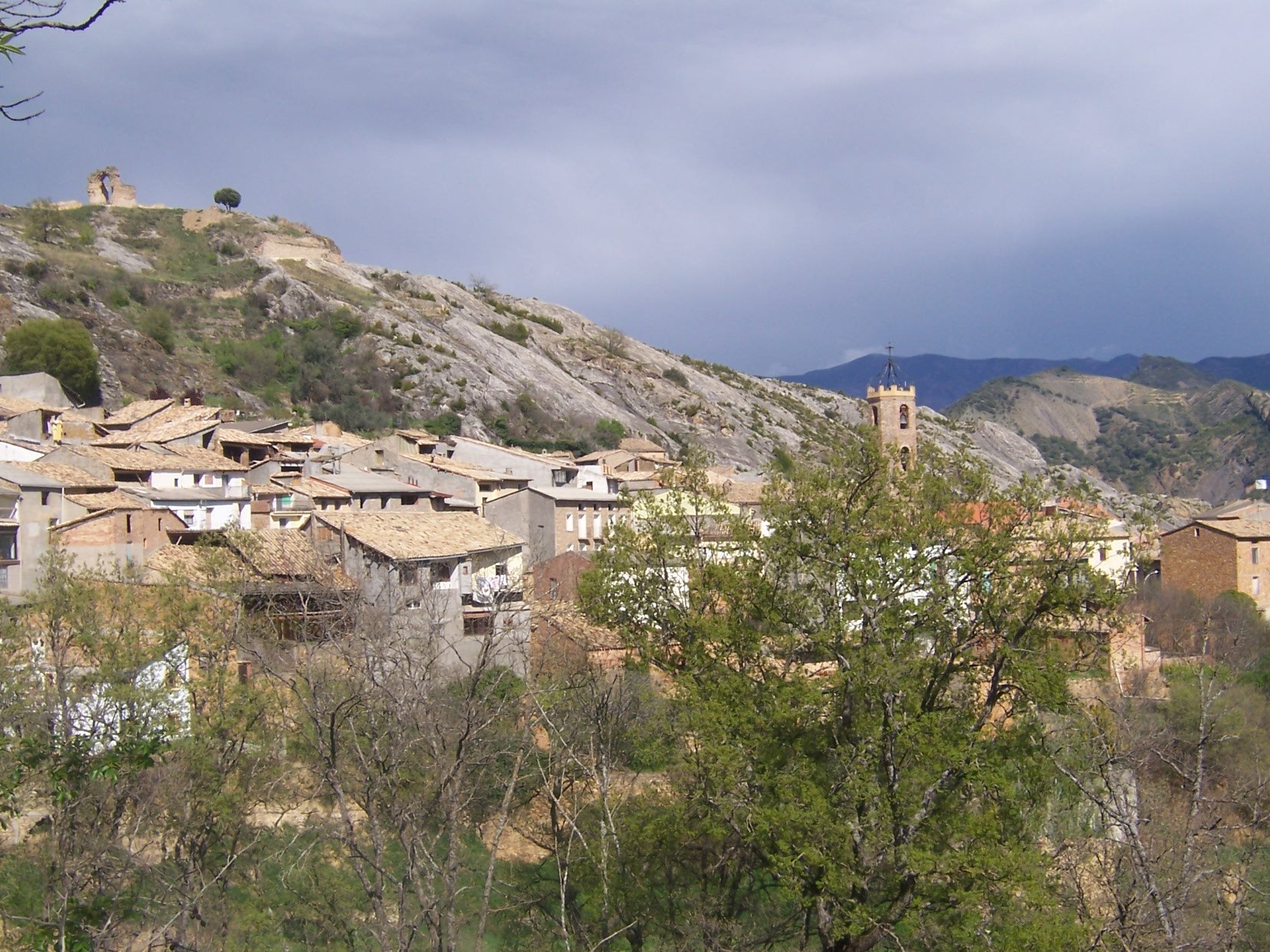
More than 80 pieces of bone from a 1997 dig have given scientists a new species of amphibian. The fragments came from Blasi, near Arén in Huesca province, and were kept at the University of Zaragoza’s natural sciences museum. A fresh examination of skull and neck bones helped the team identify the animal.
Its name, Synorerpeton ribagorzana, nods to the Ribagorza area where it was found. It belonged to an extinct group of tiny, salamander-like amphibians. The deposits containing its remains formed about half a million years before the asteroid impact that ended the age of the non-avian dinosaurs.
The international team reported the finding in Cretaceous Research. The discovery announced this November was the identification of the species. The bones themselves had been in the collection for nearly three decades.